Independent UX research · Product decisions

A question worth asking. Evidence you can use.

I help product teams understand what people need, where an experience creates friction, and what to investigate next. We start with the decision your team needs to make, then choose a practical way to learn.

Work directly with Kyle Hobson. Study scope, fee and timing agreed together.

From a real study · Oak AI audience research

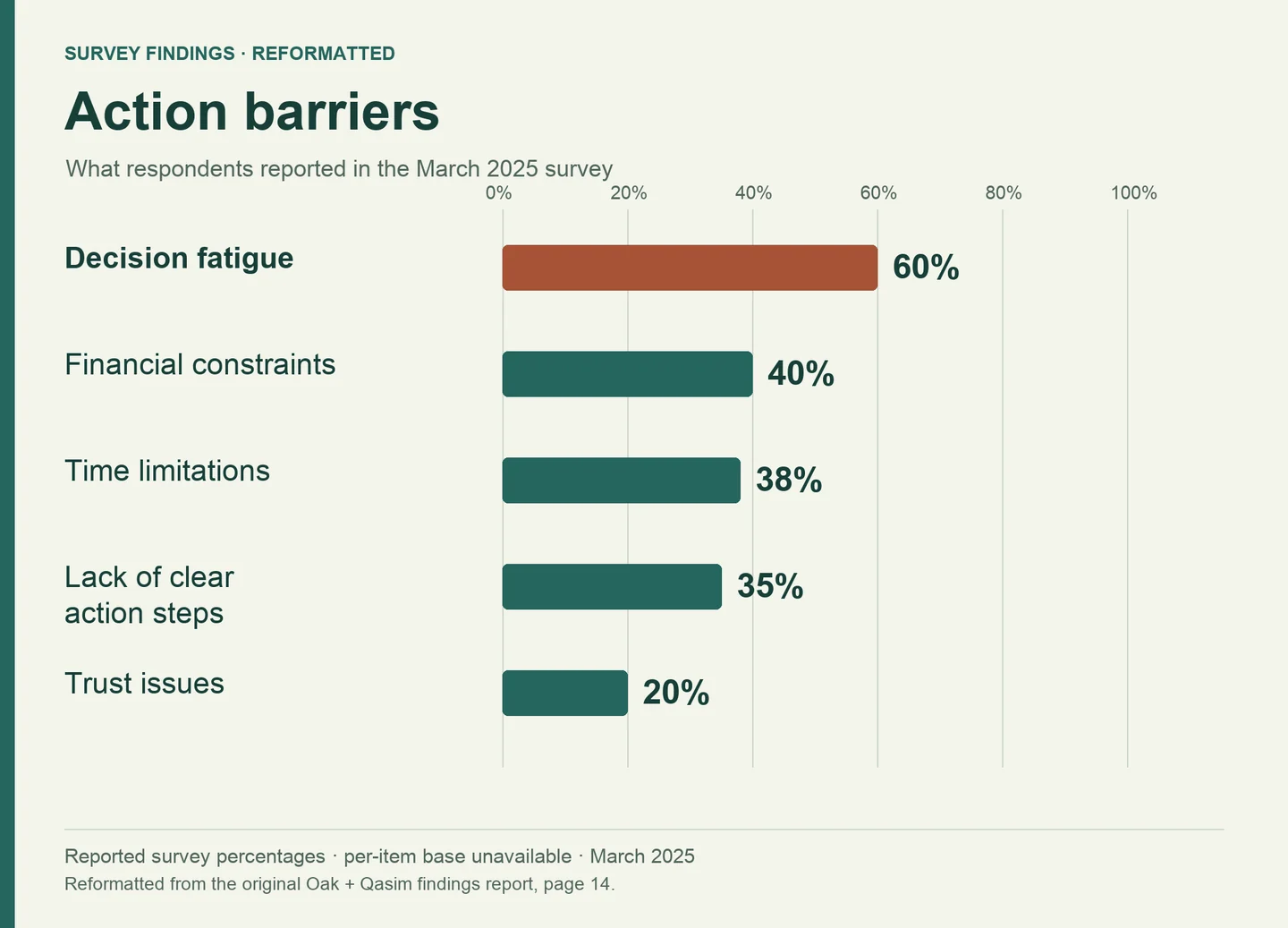
Reformatted survey findings: decision fatigue 60%, money 40%, time 38%, unclear action steps 35%, and trust 20%.

A report I led for Oak AI: turning reported barriers into a product question. Voluntary audience survey; per-item response bases unavailable.

Selected work

How the evidence changed the conversation.

Examples from my own work and contributions within existing teams. Roles and delivery stages are identified in each story.

Ways to work together

What does your team need to learn?

Start with a defined question or a body of research that needs attention. We agree on the decision, audience, access and deliverables before the study begins.

03

Usability evaluation

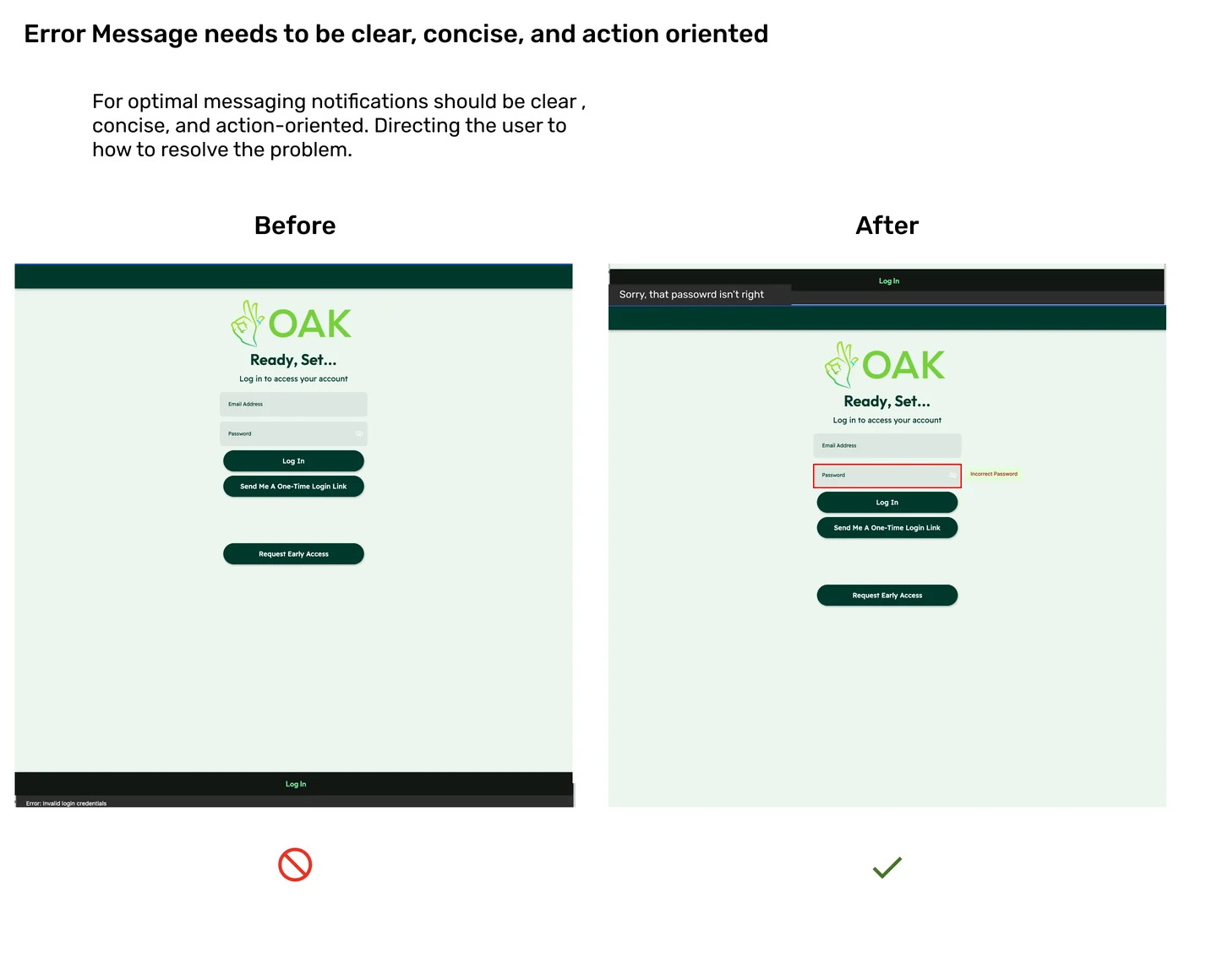
Identify the points where a product’s tasks and feedback become difficult to understand.

You receive

A scoped evaluation, prioritized findings and recommendations your team can discuss.

See scope and deliverables

Keep the question and the decision connected.

Useful research makes its reasoning visible. Your team should be able to trace a recommendation back to what was observed, understand its limits, and decide what to do next.

  1. Frame the decision

    We clarify the product question, what you already know, and what evidence would help your team act.

  2. Gather and examine

    I plan and carry out the agreed research, keeping methods, observations and interpretation traceable.

  3. Make the next step clear

    We review the findings, their limits and the recommendations. You receive the agreed research materials and a practical handoff.

Kyle Hobson smiling outdoors.

I’m Kyle. I follow the question closely.

Documentary filmmaking and technical communication taught me to listen for what a first explanation leaves out. That habit carries into my research: understand the context, examine the evidence, and make it understandable to someone who was not in the room.

As Lead UX Researcher at Oak AI, my work included audience surveys, qualitative analysis and usability evaluation. I bring that experience to product teams that need a clearer basis for their next decision.

Before we talk

What kind of team is this for?

Product teams, founders and mission-driven organizations with a specific audience, usability or prioritization question. We can begin with a focused engagement or agree on a defined period of research support.

Can you help us choose a research method?

Yes. We start with what you need to decide and what access you have. An interview, survey, usability session, expert review or analysis of existing material answers different questions; the scope should make that distinction clear.

What about recruitment and participant information?

We agree on participant criteria, recruitment responsibilities, consent, incentives and information handling before research begins. Please describe your audience in the inquiry form without sharing participant records.

Will research prove our idea will succeed?

Research can expose risks, clarify needs and inform a decision. It cannot guarantee adoption or business results. I explain what the evidence supports and what would still need to be tested.

How are cost and timing decided?

I propose the deliverables, fee, schedule and review points after we discuss the question and available access. Recruitment, study methods, analysis depth and stakeholder needs affect the scope.

What does your next decision depend on?

Tell me what your team needs to understand. We can turn the question into a focused research scope.

Discuss your project