I’m Kyle. I design learning experiences that give people something to try, inspect, and improve. My work connects instructional design, hands-on AI teaching, and workshops that turn a room’s ideas into material a team can use.
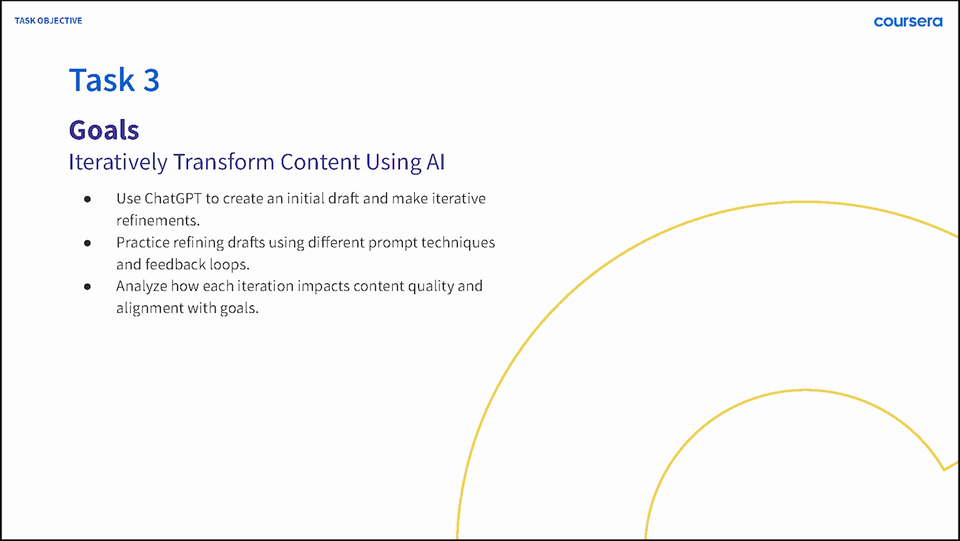
A published guided project, built around a practical content task. Reviewer feedback led me to revise answer choices, application questions and retry feedback.
Guided Project Instructor · 2024
Published Guided Project · original lessons and assessment-review record
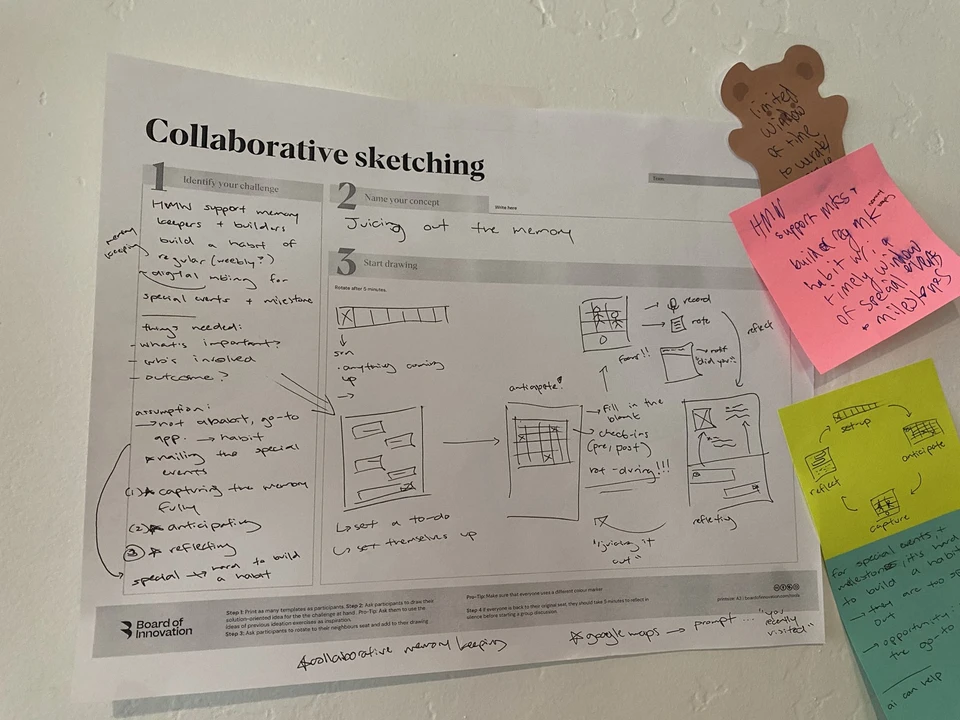
I designed an in-person workshop sequence combining opportunity statements, individual sketches, gallery sharing, and a plan for prioritizing the next directions.
UX Research Consultant · workshop sequence and documentation · May–June 2025
Workshop materials and collaborative follow-on directions
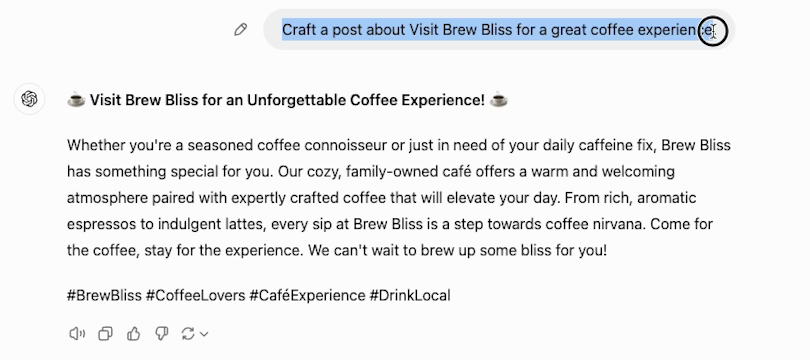
Edited teaching excerpt · 2024 · narration enhanced during production with Adobe tools and ElevenLabs. This is course instruction, not live workshop footage.
Read the clip summary
00:00–00:18A prompt gives Brew Bliss a specific audience and asks for a Facebook post with a hook and call to action.
00:18–00:40After inspecting the output, the lesson suggests further changes to audience information or tone.
00:40–01:20I recap specificity, delimiters, and the role of clear instructions before closing Task 2.
Summary of the original clip, checked against its automatic transcript. YouTube loads only when you choose to play.
Coursera Guided Project instructor
Arizona State University Learning design & AI analysis
KeepMake Workshop design & research
Listen closely. Make room to try.
I came to learning design through documentary storytelling, technical communication, and UX. Each asks me to notice what someone is trying to understand and where the explanation stops helping.
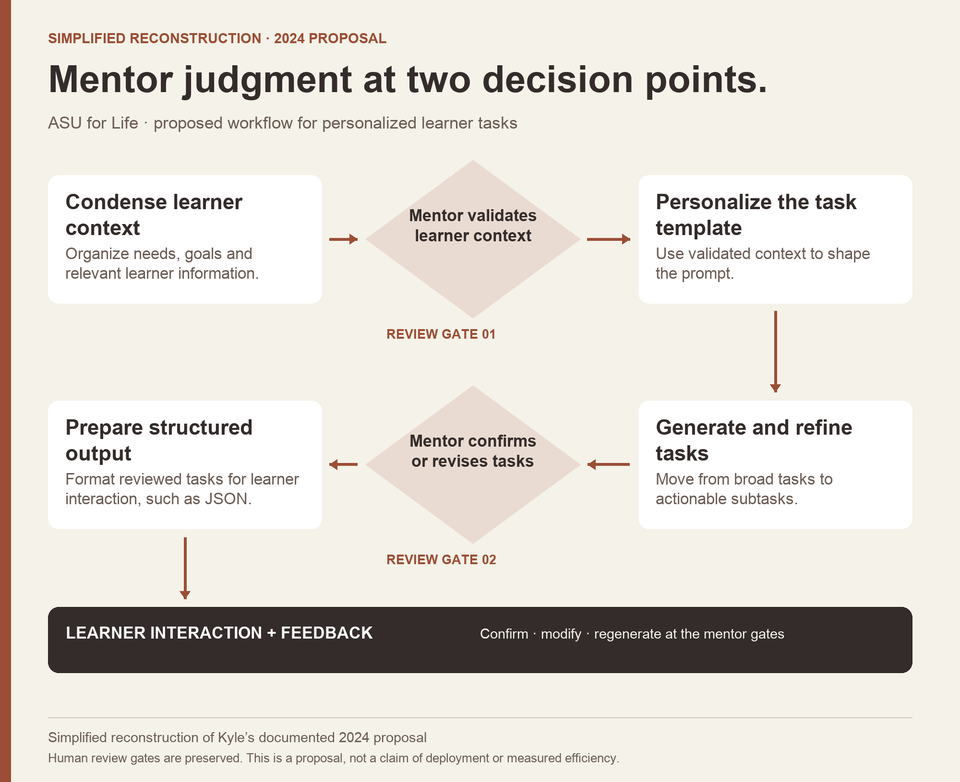
That question follows me into the work: a beginner comparing two AI drafts, a team sketching a memory they want to preserve, or a mentor deciding whether a suggested task fits a learner. I like turning an abstract discussion into something people can look at, try, and question together.
Outside this work, I run tabletop games. The setting is different, but the attention is familiar: explain enough to begin, listen to what the group does, and adapt the structure around the people in it.
From a learning need to a usable experience.
Instructional design
Connect the learner’s task with objectives, worked examples, practice, assessment, and revisions informed by review.
Workshop facilitation
Give a group clear prompts, room for individual contribution, and a path from discussion to artifacts and next questions.
AI literacy & enablement
Teach people to give useful context, inspect generated outputs, and make the next revision with a purpose.
How I build learning with others
Concrete practice, room for critique, and an honest account of what was evaluated.
What changed after a reviewer challenged your course?
The review found choices that were too easy to eliminate and feedback that revealed an answer. I revised the distractors, added application to a definition question, and pointed retry feedback toward the relevant task. The documented revision shows my response to critique; improved learner performance still needs measurement.
How do you facilitate without taking over the ideas?
I give people a sequence and something concrete to work on. For KeepMake, I designed and circulated the activity plan, then helped document the workshop output and synthesis. The sketches and directions were collaborative. My contribution was structuring the work and helping the group carry it forward.
I would ask people to apply the same judgment to a new task, explain their choice, and revise after feedback. For the AI course, that means a fresh content request rather than repeating the demonstrated prompt. This is the next evaluation I would run; the existing course record does not establish a transfer result.